


Rising Damp
Stop moisture rising from the ground and protect your walls for good!
Rising damp happens when water from the ground travels up through the walls of a building, through tiny pores (capillaries) in materials such as brick, concrete and mortar. It works much like a sponge soaking up water, or a paper towel drawing liquid upwards. Without an effective damp-proof course, moisture keeps climbing, damaging plaster, decorations and the masonry itself. At Crystal Damp Proofing & Basements Ltd, we find the cause, stop the moisture at its source and restore your walls properly.
How to Recognise Rising Damp


- Tide marks: a damp band or stain along the lower part of the wall, often up to about a metre high.
- Salt deposits: a white, powdery residue on the surface of the plaster.
- Blown plaster and flaking paint: plaster that sounds hollow, crumbles or comes away from the wall.
- Decaying skirting boards and timber floors: soft, rotting or discoloured wood at the base of the walls.
- A musty smell and mould: dark patches near the floor and a damp odour that is hard to get rid of.
Why Painting Over It Never Works
Painting over damp patches or simply replastering only hides the symptoms, and the problem soon returns. As long as the wall keeps drawing water from the ground, damp, salts and mould will come back. Getting rid of rising damp means restoring an effective barrier against moisture.
How We Stop Rising Damp
After a full survey, we choose the right method for your walls and property:
- Chemical and crystalline DPC injection: the most popular and least invasive method. We drill a row of holes into the wall and inject a specialist silicate or silicone product. It penetrates the capillaries, crystallises and permanently blocks moisture from rising further.
- Physical damp-proof course: a section of the wall is cut in stages and a new, solid damp-proof membrane is inserted and wedged in place with mortar. A very effective mechanical method, which we carry out where required in the most difficult cases.
- Assisted mechanical drying: once the old plaster has been removed and the DPC injection completed, we dry the masonry mechanically. We start drying no sooner than 3 days after the injection is finished, so the drilled holes stay saturated with the DPC product for as long as possible. We also apply tanking slurry over the whole injection zone. It slows the drying of the DPC product, so it forms a full barrier, and it stops salts in the air from interfering with the injection, while the wall above the new damp-proof course dries out as much as possible.
- External waterproofing and drainage: where needed, we excavate around the foundations, clean them, apply bituminous coatings or a studded membrane, and lay drainage pipes to carry rain and groundwater away from the building.
Restoring Your Walls
Stopping the moisture is only the first step. To get a lasting result, we also:
- Strip damaged plaster: we remove salt-contaminated plaster well above the visible damp line.
- Replace damaged mortar: if the existing mortar is crumbling or delaminating, we rake it out and repoint to a depth of at least 20 mm, ideally across the whole wall, so the remaining joints do not deteriorate further.
- Let the wall dry: before any finishing work, the source of moisture must be cut off and the wall given time to dry. Finishes applied to a wet wall fail within months.
- Apply renovation render: we use breathable, salt-resistant renovation renders, with the first coat at least 10 mm thick, so the wall can keep drying while salts are held back from the surface.
Mould and Fungi Linked to Rising Damp

A constantly damp wall creates ideal conditions for mould and fungi:
- Surface moulds: these appear first on plaster, wallpaper and paint, such as Aspergillus
(black, green or yellow patches), Penicillium (blue-green colonies), Cladosporium and Alternaria (dark patches low on the wall), and Stachybotrys chartarum, the so-called black mould, which grows on cellulose materials like plasterboard.
- Wood-destroying fungi: if moisture reaches timber floors, joists or beams, it can lead to dry rot (Serpula lacrymans), which can even grow through masonry in search of new timber, or wet rot such as cellar fungus (Coniophora puteana).
What to Watch Out For
- Your health: mould spores lower indoor air quality and can trigger allergies, asthma, recurring respiratory infections, headaches and skin or eye irritation.
- The structure of the building: rising damp carries harmful salts (nitrates, sulphates and chlorides) from the ground. As water evaporates, the salts crystallise and expand, blowing plaster, flaking paint and weakening brick and mortar.
- Quick fixes: be wary of anyone offering to simply paint over mould with bleach-based products. Surface treatments only work for a short time; as long as the wall draws water from the ground, the mould will come back.
- The order of works: always identify and cut off the source of moisture before drying the walls and applying new render. Finishing work on a wet wall will be ruined within months.
The Right Diagnosis Comes First
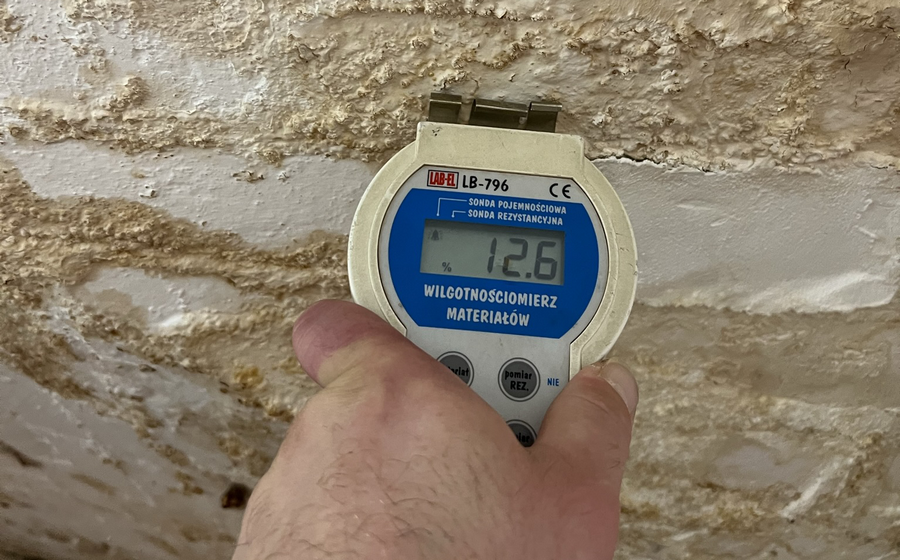
Not every damp wall is rising damp. In normal conditions, materials such as brick, concrete and gypsum hold less than 5% moisture, and timber around 20%. New and recently renovated buildings also hold construction moisture from mortar and plaster, which can take around two years to dry out naturally. Damp can also come from leaks, condensation or penetrating rain. Our CSSW-qualified surveyors use moisture meters and thermal imaging to find the real cause, so you only pay for the treatment you actually need.
Trusted Manufacturers & High-Quality Materials
We use proven products from well-known manufacturers such as Wykamol, Biokil and Mapei.
Together, they form one complete system that keeps your walls dry for years to come.


Qualified Specialists & a 10-Year Guarantee
See What Our Clients Say
We are proud of our 5-star Google rating: see our reviews. If your basement is damp or takes in water, book a survey in our Booking Survey section, or call or message our fully qualified advisors.
