

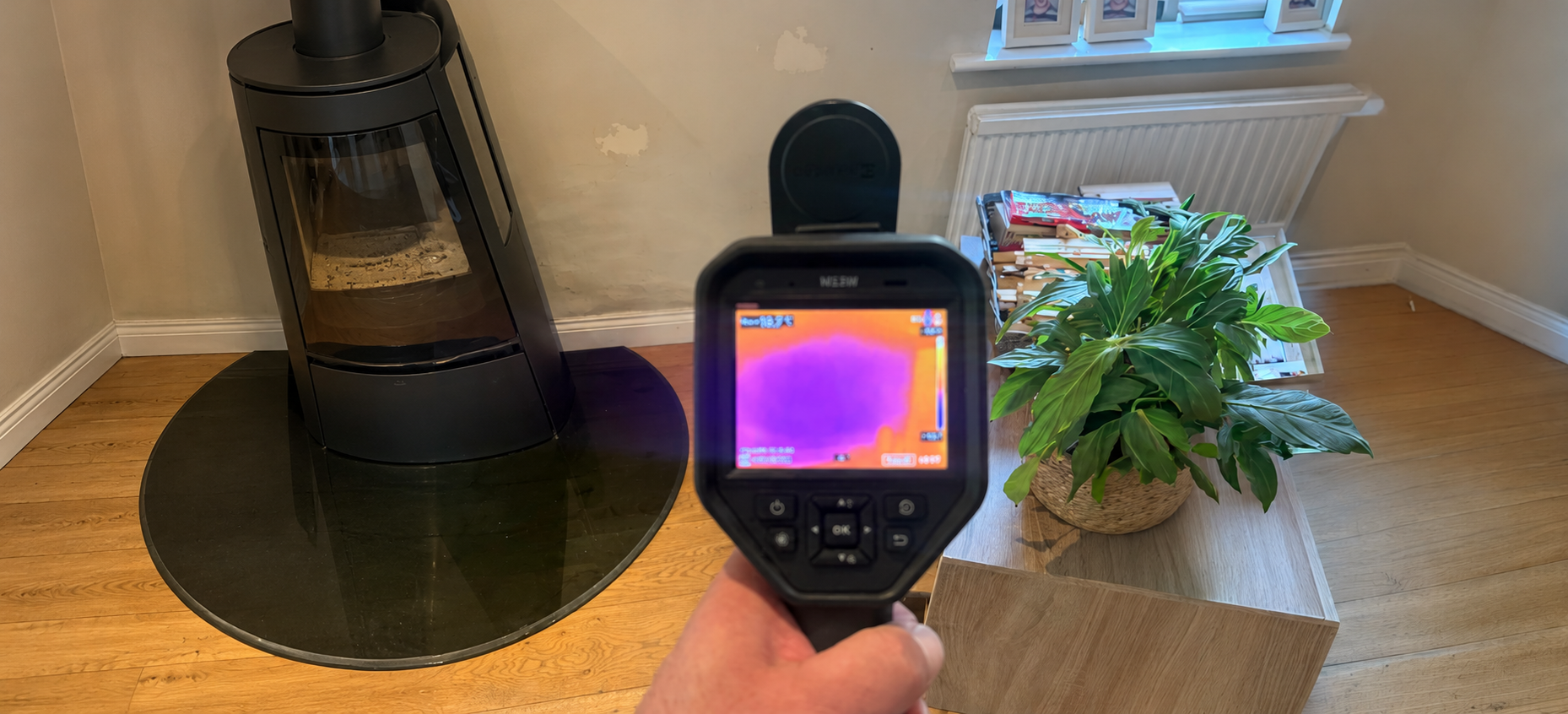
Thermal Inspection
Thermal Imaging Surveys
Detect damp, cold spots, and hidden water ingress before they cause costly structural damage. At Crystal Damp Proofing, we use high-resolution thermal camera technology to accurately diagnose damp, leaks, and insulation defects without damaging your property or tearing down plaster walls.
Why Choose Thermal Inspection? Damp isn’t always visible to the naked eye. Thermal imaging cameras measure surface temperature variations across walls, ceilings, and floors. Because damp materials cool faster due to evaporation, thermal inspection highlights cold spots, hidden leaks, and moisture pathways that standard visual checks miss.

What Our Thermal Surveys Detect:
Trace leaking pipework, roof ingress, and rising or penetrating damp behind walls and under floors.
- Basement,Cellar,Vault water penetraitinh
- Identify cold zones where condensation collects, creating the ideal environment for black mould.
- Locate missing or compromised cavity wall insulation that traps moisture and drains heat.
- Clearly outline the exact boundaries of damp patches before starting remedial work.


Benefits for Property Owners:
- No drilling holes, peeling wallpaper, or cutting through plasterboard to find the fault.
- High-resolution thermal cameras reveal precise thermal anomalies instantly.
- Prevents expensive, unnecessary repair work by identifying the exact root cause.
- Easy-to-understand thermal imagery makes insurance claims and project planning straightforward.
How It Works:
- We conduct a full thermal scan of suspect internal walls, ceilings, and external masonry using handheld thermal cameras.
- Thermal anomalies are cross-referenced with calibrated moisture meters to verify damp severity.
- You receive a diagnostic summary outlining the issue alongside a tailored damp-proofing solution.
Step 3: Repairing the Cracks Themselves
- Helical bar crack stitching: an excellent, minimally invasive method for brick and block walls. Stainless steel helical bars bonded into the mortar joints take up the tensile stresses across the crack.
- Resin injection: epoxy resins are used to bond cracked concrete structurally and rigidly, giving a repair stronger than the concrete itself. Polyurethane resins are flexible and ideal for basements, because they foam on contact with water and seal it out.
- Rebuilding and repointing: the traditional repair for badly damaged sections of wall, where stitching alone is not enough.
Book Your Thermal Moisture Inspection Today
Stop guessing where the damp is coming from. Contact Crystal Damp Proofing today to schedule a professional, non-invasive thermal survey for your residential or commercial property.

Qualified Specialists & a 10-Year Guarantee

See What Our Clients Say
We are proud of our 5-star Google rating: see our reviews. If your basement is damp or takes in water, book a survey in our Booking Survey section, or call or message our fully qualified advisors.
